
Description
Core Puzzle Concept
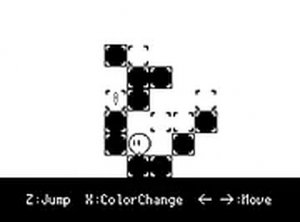
In Tonal Switch Puzzle Challenge, the primary interaction involves changing the color scheme of each level. The world is presented in black and white, and by toggling between these two states, players can reveal hidden pathways or block off certain areas. This simple yet clever mechanic forms the foundation of every puzzle. The goal is always to reach a designated endpoint, but the route is never obvious. Each color shift can either open a new route or close an existing one, forcing players to think several steps ahead. The game rewards those who can visualize the outcome of each toggle before committing to it.
Level Design and Progression
The game is structured as a series of short, self-contained puzzles. Early levels serve as a tutorial, gently introducing the core mechanic without overwhelming the player. As the player advances, the puzzles become more intricate, often requiring multiple color shifts in a specific sequence. The difficulty curve is steady, ensuring that players build their problem-solving skills gradually. Some levels may introduce obstacles that only appear after a certain number of toggles, adding a layer of timing and memory to the challenge. The minimalist black-and-white art style keeps the focus squarely on the logic, with no visual distractions.
Controls and Accessibility
Designed exclusively for desktop browsers, the game uses simple mouse clicks or keyboard presses to switch colors. There are no complex controls or menus to navigate, making it easy for anyone to start playing immediately. The interface is clean and uncluttered, with clear visual feedback when a color change occurs. Players can also restart a level at any time, encouraging experimentation. This straightforward control scheme lowers the barrier to entry, allowing puzzle enthusiasts of all ages to enjoy the experience without a steep learning curve.
Visual and Audio Atmosphere
The game adopts a stark black-and-white visual palette, which serves both aesthetic and functional purposes. The high contrast makes it easy to distinguish between different states of the environment. The absence of color forces players to rely on shape, pattern, and spatial reasoning. The audio is minimal, with subtle sound effects that confirm actions like color shifts or level completion. This restrained approach to presentation helps maintain a calm, focused atmosphere, ideal for a puzzle game that rewards concentration and deliberate thought.
Strategic Thinking and Replayability
While each level has a single solution, there is often more than one way to approach the problem. Players may find that experimenting with different sequences of color changes leads to the same outcome. This encourages creative thinking and prevents the game from feeling linear. Because levels are short, players can easily revisit earlier puzzles to test alternative strategies. The game also offers a sense of satisfaction when a particularly tricky puzzle is solved, making it a rewarding experience for those who enjoy mental challenges. The increasing difficulty ensures that the game remains engaging from start to finish.






Player Comments
Sign in to comment
You must be logged in before posting a review or rating.
No account? Create one
No comments yet. Be the first to comment!